Electric Model Remote Control Airplanes – A Comprehensive Guide for Hobby Enthusiasts
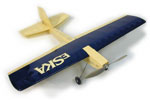


Electric model remote control (RC) airplanes have taken the world of hobby enthusiasts by storm, offering an exciting blend of technology, skill, and adrenaline. Whether you’re a beginner looking to take your first flight or an experienced pilot seeking new challenges, electric RC airplanes provide endless opportunities for fun and creativity. In this guide, we’ll dive deep into everything you need to know about electric RC airplanes, from choosing the right model to mastering flying techniques. Let’s explore what makes this hobby so exhilarating!
What Makes Electric Model Remote Control Airplanes So Popular?
Electric RC airplanes have become increasingly popular among hobbyists for several reasons. First, they are more convenient and accessible than gas-powered models, requiring less maintenance and offering a cleaner, quieter flying experience. Thanks to advancements in battery technology, electric airplanes can now achieve impressive flight times and power, making them a versatile choice for hobbyists at all skill levels.
Additionally, electric RC airplanes are easier to set up and operate, with many models designed for quick assembly and simple charging. This convenience allows enthusiasts to spend more time enjoying their flights and less time tinkering with engines or fuel.
Electric RC airplanes provide a hassle-free, environmentally friendly, and efficient way to enjoy remote control flying, making them a top choice for enthusiasts.
How Do You Choose the Right Electric RC Airplane for Your Skill Level?
Selecting the right model is crucial, especially for beginners. There are three main categories of electric RC airplanes based on skill level:
- Beginner Models: These airplanes are designed with stability and ease of control in mind. They typically feature a high-wing design, which provides better lift and slower flight speeds, making them easier to handle. Models like the HobbyZone Sport Cub S and E-flite Apprentice STS are excellent choices for those new to the hobby.
- Intermediate Models: Once you’ve mastered basic flying, you can upgrade to an intermediate model. These planes offer more speed, maneuverability, and the ability to perform simple aerobatic maneuvers. They often feature a mid-wing or low-wing design, which offers a good balance between stability and agility.
- Advanced Models: These are for experienced pilots who want to push their skills to the limit. Advanced electric RC airplanes can perform complex aerobatic stunts, reach high speeds, and handle more challenging flying conditions. They require precise control and a solid understanding of aerodynamics.
Always choose an RC airplane that matches your current skill level to ensure a safe and enjoyable flying experience.
What Are the Essential Components of an Electric RC Airplane, and How Do They Work Together?
Understanding the key components of your electric RC airplane helps you appreciate how these models achieve flight:
- Brushless Motor: The motor is the powerhouse of your RC airplane. Most modern electric RC airplanes use brushless motors, which are more efficient, reliable, and powerful than brushed motors. This motor drives the propeller, generating thrust to propel the plane forward.
- Battery and ESC (Electronic Speed Controller): The battery, typically a lithium polymer (LiPo) pack, provides power to the motor. The ESC regulates the flow of electricity from the battery to the motor, allowing you to control the plane’s speed and power.
- Servos: Servos are small motors connected to the control surfaces (ailerons, elevator, rudder) of the airplane. They respond to signals from your transmitter, allowing you to adjust the plane’s direction and altitude.
- Receiver and Transmitter: The receiver, located inside the plane, receives signals from the transmitter (remote control) in your hand. This communication lets you control the airplane’s movements in real-time.
- Flight Controller: Advanced models come with flight controllers that provide stability, especially during windy conditions. These controllers help prevent crashes and make flying easier for beginners.
Key Takeaway: Familiarize yourself with these components to troubleshoot issues, upgrade parts, and optimize your electric RC airplane’s performance.
How Can You Maintain and Extend the Lifespan of Your Electric RC Airplane?
Proper maintenance is essential for keeping your electric RC airplane in top condition. Here’s how to ensure it lasts for many flights:
- Monitor Battery Health: Always charge your battery correctly and avoid overcharging. Use a balance charger, and never leave your battery unattended while charging. After a flight, let the battery cool down before recharging.
- Clean the Airplane: Dirt and debris can accumulate on your plane, affecting its performance. Use a soft cloth to clean the wings, fuselage, and propeller after each flight.
- Inspect for Damage: Regularly check your plane for cracks, loose screws, or damage to the control surfaces. Address any issues immediately to prevent them from worsening.
- Store Properly: Store your RC airplane in a dry, cool place to prevent damage from humidity or extreme temperatures. Ensure the battery is stored at the recommended voltage level to extend its lifespan.
Regular maintenance and care will keep your electric RC airplane in top shape, ensuring a long and enjoyable flying experience.
What Safety Precautions Should You Take When Flying an Electric RC Airplane?
Safety is paramount when flying electric RC airplanes, both for yourself and others around you. Here are some essential safety tips:
- Choose a Suitable Flying Area: Always fly in open spaces, such as parks or designated RC flying fields, where there are no obstructions or bystanders. Avoid flying near roads, power lines, or crowded areas.
- Check the Weather: Windy conditions can make flying challenging, especially for beginners. Always check the weather forecast before heading out to ensure you’ll have a safe and enjoyable experience.
- Perform Pre-Flight Checks: Before each flight, inspect your plane, transmitter, and battery to ensure everything is functioning correctly. Loose connections or damaged parts can lead to accidents.
- Follow Local Regulations: Be aware of local rules and guidelines for flying RC airplanes, especially around airports or restricted airspace.
Prioritizing safety will help you enjoy your electric RC airplane hobby without risking injury or damage.
Five Key Things to Remember About Electric RC Airplanes
- Battery Life Matters: Always monitor your battery’s charge to maximize flight time and avoid crashes.
- Brushless Motors Are Superior: For better performance and efficiency, choose models with brushless motors.
- Match the Model to Your Flying Style: Whether you prefer aerobatics, gliding, or racing, there’s an electric RC airplane designed for your needs.
- Understand Weather Impact: Flying in windy conditions can be challenging, so always check the forecast.
- Join an RC Flying Club: Learning from other enthusiasts can help you improve your skills and enjoy the hobby even more.
Electric model remote control airplanes offer an exhilarating hobby that combines technology, skill, and creativity. By choosing the right model, understanding the essential components, and following safety precautions, you’ll enjoy countless hours of thrilling flights. Whether you’re performing aerobatic maneuvers or simply gliding through the sky, electric RC airplanes provide endless fun and a sense of achievement.
Ready to take to the skies? Grab your transmitter, charge up your batteries, and start flying today!